


THE HISTORY OF FIREPLACES IN THE BLACK COUNTRY
Here in The Black Country, we have a long and fascinating connection with fire, iron and metalworking. Even our name ‘The Black Country’ is linked to the smoke and soot that once hung thickly in the air. This would have come from the thousands of coal mines, furnaces and foundries across towns like Dudley, Coseley, Bilston, Tipton, Wednesbury and Cradley Heath. Our region was incredibly rich in the resources that helped fuel industrial growth, including coal, ironstone, limestone and fireclay. Our abundant access to these materials supported the growth our metalworking trades, and ironworking became one of our defining industries.
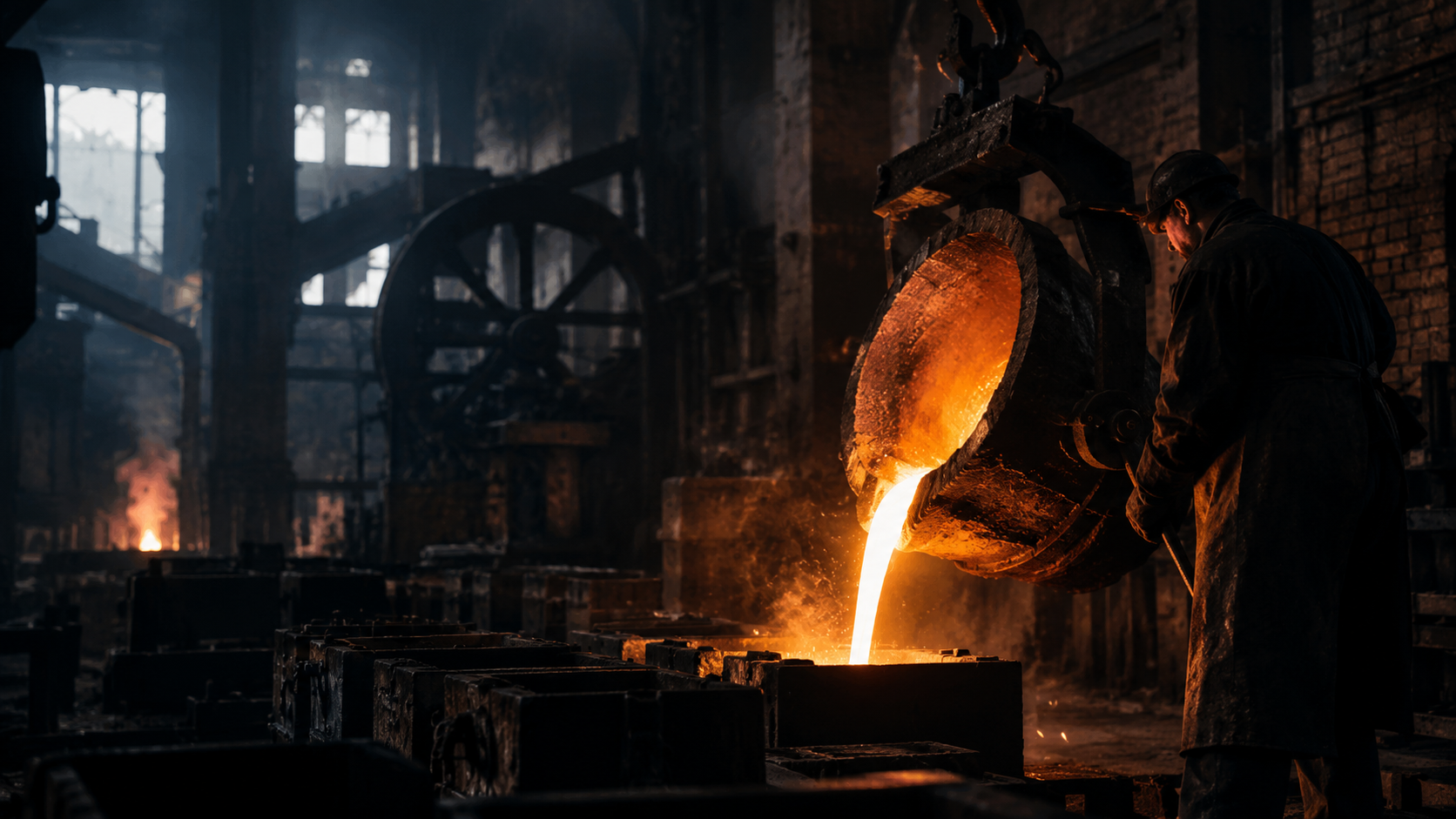
Here in The Black Country, we have a long and fascinating connection with fire, iron and metalworking. Even our name ‘The Black Country’ is linked to the smoke and soot that once hung thickly in the air. This would have come from the thousands of coal mines, furnaces and foundries across towns like Dudley, Coseley, Bilston, Tipton, Wednesbury and Cradley Heath. Our region was incredibly rich in the resources that helped fuel industrial growth, including coal, ironstone, limestone and fireclay. Our abundant access to these materials supported the growth our metalworking trades, and ironworking became one of our defining industries.
FROM FOUNDRIES TO FIREPLACES
Fire has been a huge part of our survival as a species. It's provided us with warmth, light and a way to cook for hundreds of thousands of years. But as fireplace design developed over generations, so did the demand for fireplace accessories. Since it tolerates high heat, cast iron was a particularly useful material for these kinds of products.
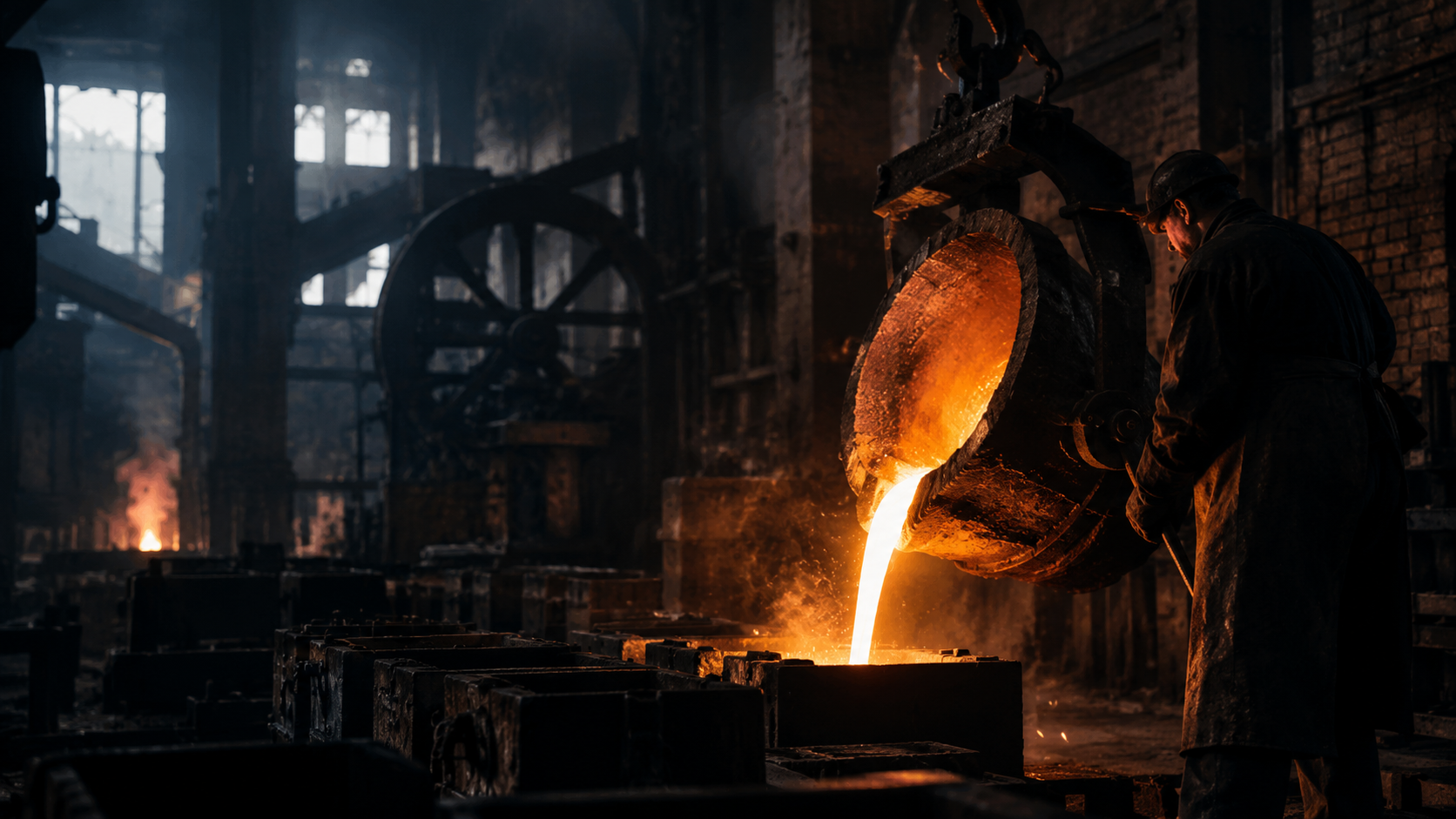
Manufacturers here in The Black Country were able to meet this demand due to our established cast iron production, and create products like grates, firebacks, stove components and cooking ranges. We can find examples of this local connection in our historic records. For example, Dudley Archives records the Cannon Iron Foundry at Coseley operating as a stove grate manufacturer and iron foundry during the 19th century. As these industries grew, our extensive canal network did too and made us even more efficient. Canals like Dudley No.1 Canal connected the mines, furnaces and foundries, helping to move raw materials and finished goods. Our Black Country foundries were manufacturing products that ended up becoming a part of everyday domestic life across Britain.
THE VICTORIAN FIREPLACE
The Victorian period saw an increasing demand for decorative fireplaces, and design started to play more of a role. The fireplace wasn't just practical, it became a feature that reflected changing tastes, craftsmanship and social status. Again, our local manufacturing expertise was extremely well suited to meeting the demand. Our industrial production and skilled metalworkers meant we could create the intricate designs that people wanted, and produce them at scale.
Industrial production made cast iron ranges more widely available, and brought cooking surfaces and ovens together with the fire in one practical design. If you visit historic buildings and attractions across the Black Country (like the Black Country Living Museum), you can step back in time and get a real feeling for how these ranges were used and just how much of a role they played in people's daily lives.
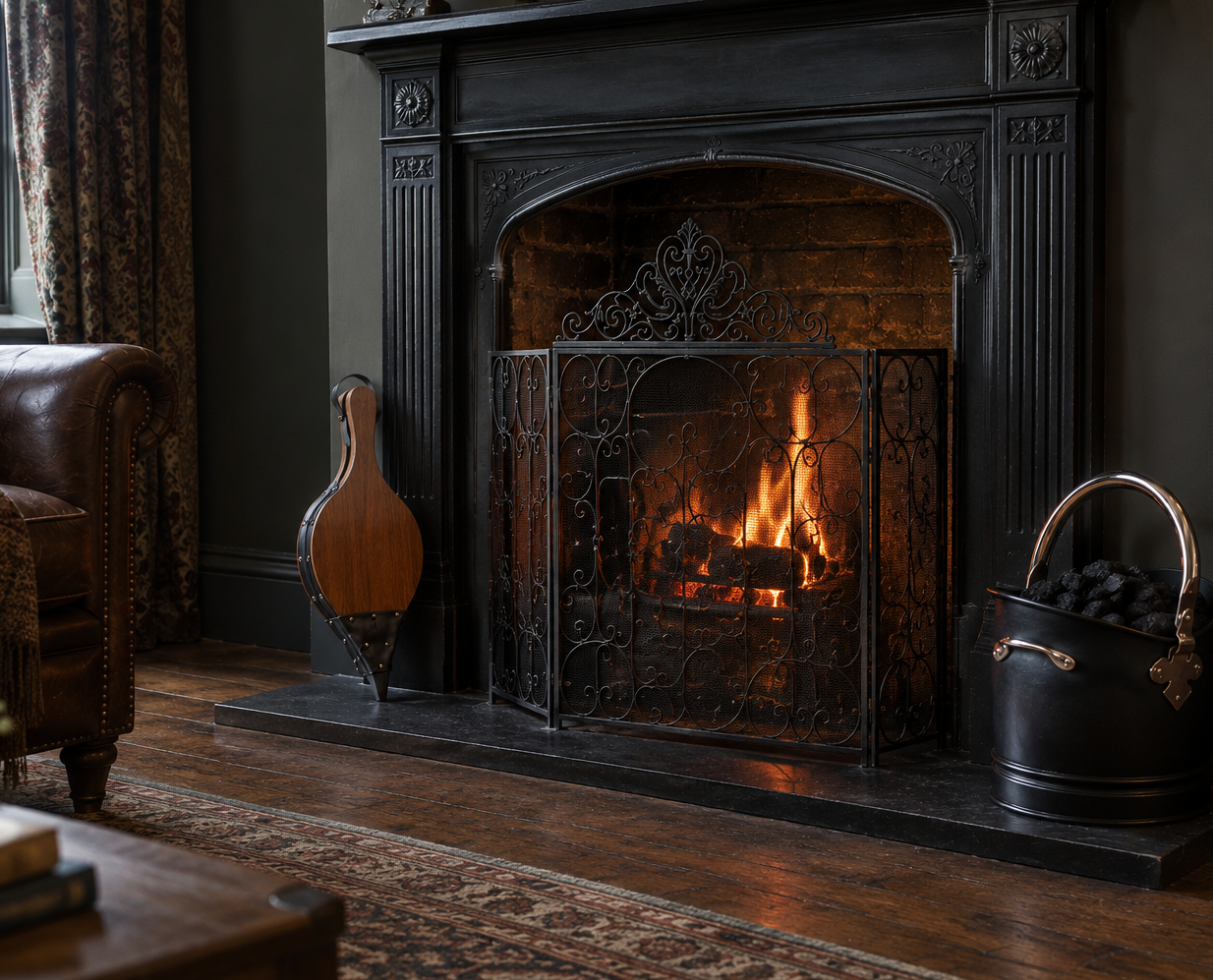
Decorative surrounds, tiles and accessories gave fireplaces their own distinctive 'Victorian' character. And the decorative style of this era still influences fireside design today. Many of the details and patterns that are associated with the period can still be used to create a Victorian feel in a modern home, as shown here. At Black Country Metal Works, we continue to draw on these traditional designs across our Victorian style fireside products.
TOOLS OF THE TRADITIONAL HEARTH
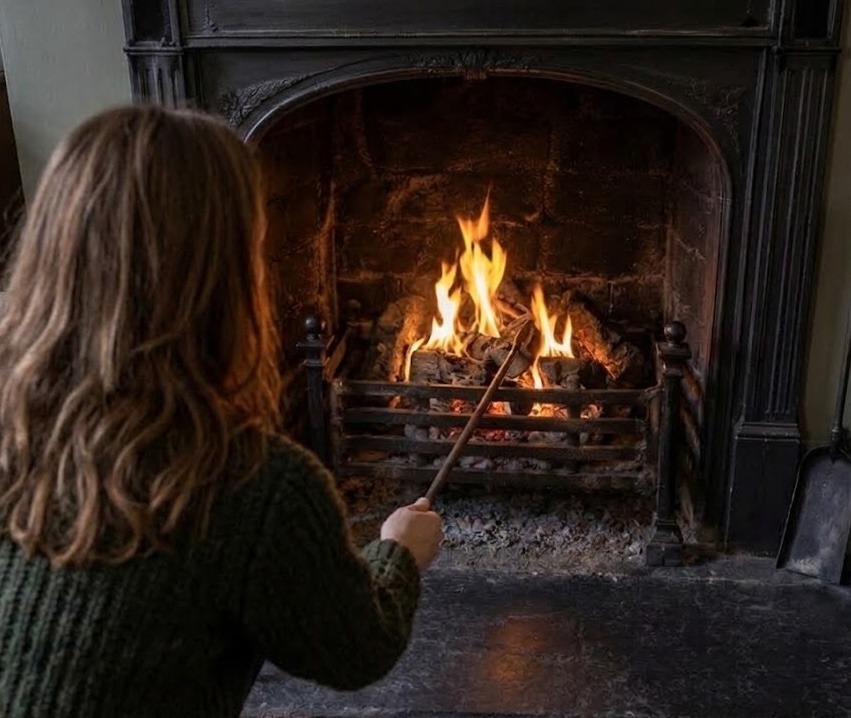
Practical fireside tools became necessary as fireplaces became more established features in the home, and were needed for tending to the fire in a safer way.
Fire dogs (or ‘andirons’) were used to support logs and allow airflow to circulate beneath the fire. ‘Companion sets’ including things like pokers, tongs, shovels and brushes that are needed for tending and cleaning the fire became more and more popular. Fireguards and screens served an important safety purpose around an open fire as they helped to prevent sparks and burning embers from escaping onto the floor, furniture or nearby furnishings and causing the fire to spread. Coal scuttles and buckets were also common beside the hearth as they allowed people keep fuel close at hand.
These traditional pieces are still familiar features of the hearth, and are just as useful today for both open and enclosed fires. They're practical, but can also a way to style your fireplace to suit your aesthetic.
OUR FIREPLACE HERITAGE TODAY
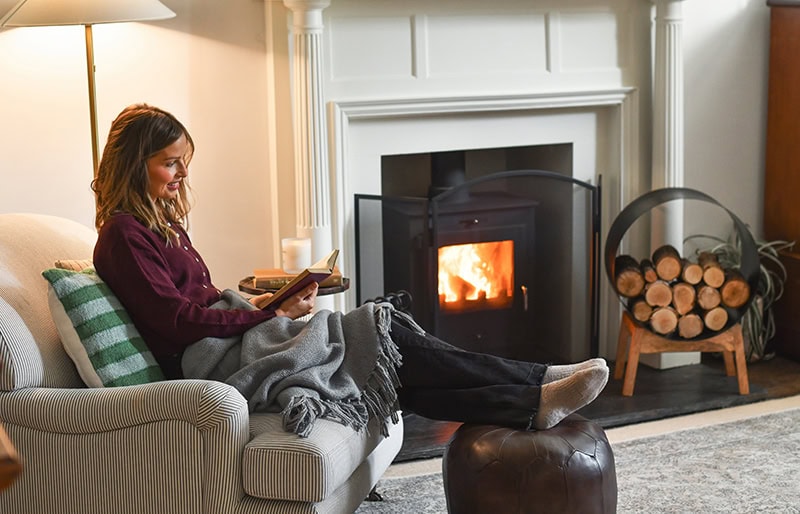
Fireplaces have changed considerably over the centuries, but having a real fire in the home can't be beaten when it comes to atmosphere. Modern wood burning and multi fuel stoves give us the chance to enjoy fire in more efficient way, and open fires and traditional fireplaces continue to suit period properties and add character to a room. The way we use the hearth has changed, but it's still a well loved part of the home.
The connection between the fireplace and the Black Country remains. Our history of coal, ironworking and foundry production helped create many of the cast iron products that became part of the traditional British hearth, and this is a heritage we're proud to continue here at Black Country Metal Works. Our work with metal and fireside products connects us with a much longer local tradition, keeping alive the skills, materials and stories that have shaped our region for generations.
Feeling inspired to redesign your fireplace?
THE VICTORIAN FIREPLACE
The Victorian period saw an increasing demand for decorative fireplaces, and design started to play more of a role. The fireplace wasn't just practical, it became a feature that reflected changing tastes, craftsmanship and social status. Again, our local manufacturing expertise was extremely well suited to meeting the demand. Our industrial production and skilled metalworkers meant we could create the intricate designs that people wanted, and produce them at scale.
Industrial production made cast iron ranges more widely available, and brought cooking surfaces and ovens together with the fire in one practical design. If you visit historic buildings and attractions across the Black Country (like the Black Country Living Museum), you can step back in time and get a real feeling for how these ranges were used and just how much of a role they played in people's daily lives.
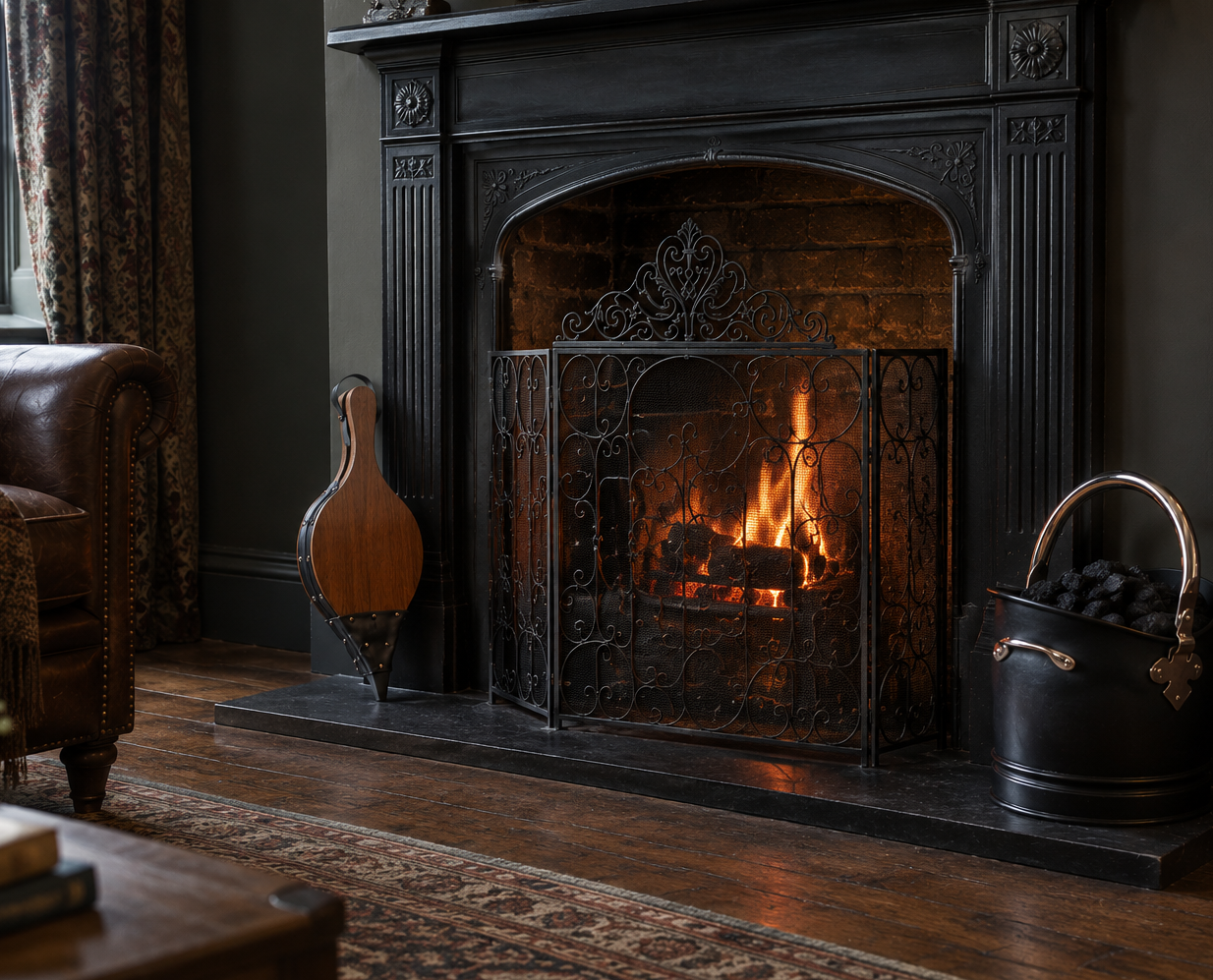
Decorative surrounds, tiles and accessories gave fireplaces their own distinctive 'Victorian' character. And the decorative style of this era still influences fireside design today. Many of the details and patterns that are associated with the period can still be used to create a Victorian feel in a modern home, as shown here. At Black Country Metal Works, we continue to draw on these traditional designs across our Victorian style fireside products.
TOOLS OF THE TRADITIONAL HEARTH
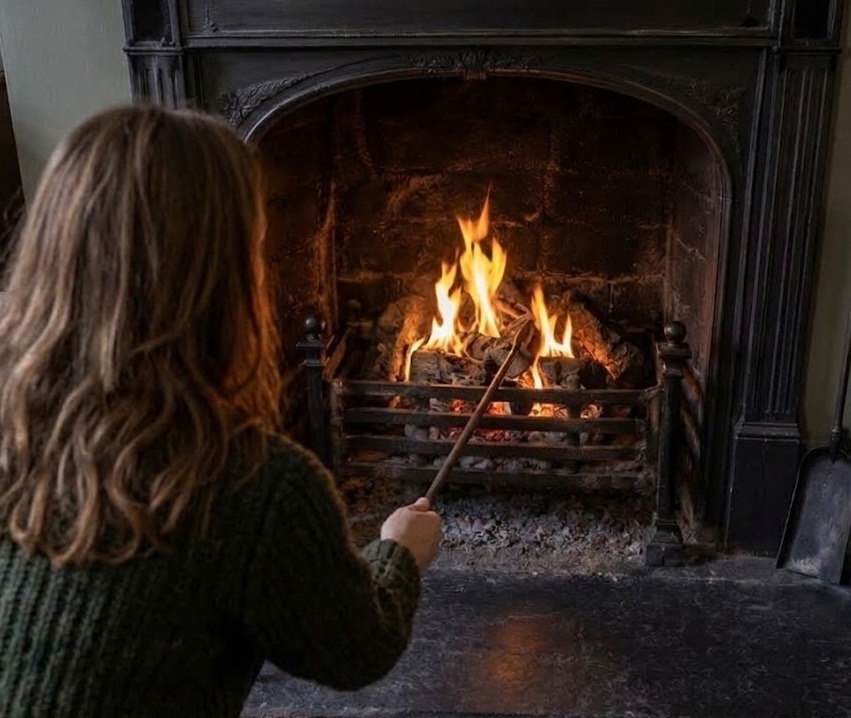
Practical fireside tools became necessary as fireplaces became more established features in the home, and were needed for tending to the fire in a safer way.
Fire dogs (or ‘andirons’) were used to support logs and allow airflow to circulate beneath the fire. ‘Companion sets’ including things like pokers, tongs, shovels and brushes that are needed for tending and cleaning the fire became more and more popular. Fireguards and screens served an important safety purpose around an open fire as they helped to prevent sparks and burning embers from escaping onto the floor, furniture or nearby furnishings and causing the fire to spread. Coal scuttles and buckets were also common beside the hearth as they allowed people keep fuel close at hand.
These traditional pieces are still familiar features of the hearth, and are just as useful today for both open and enclosed fires. They're practical, but can also a way to style your fireplace to suit your aesthetic.
OUR FIREPLACE HERITAGE TODAY
Fireplaces have changed considerably over the centuries, but having a real fire in the home can't be beaten when it comes to atmosphere. Modern wood burning and multi fuel stoves give us the chance to enjoy fire in more efficient way, and open fires and traditional fireplaces continue to suit period properties and add character to a room. The way we use the hearth has changed, but it's still a well loved part of the home.
The connection between the fireplace and the Black Country remains. Our history of coal, ironworking and foundry production helped create many of the cast iron products that became part of the traditional British hearth, and this is a heritage we're proud to continue here at Black Country Metal Works. Our work with metal and fireside products connects us with a much longer local tradition, keeping alive the skills, materials and stories that have shaped our region for generations.