




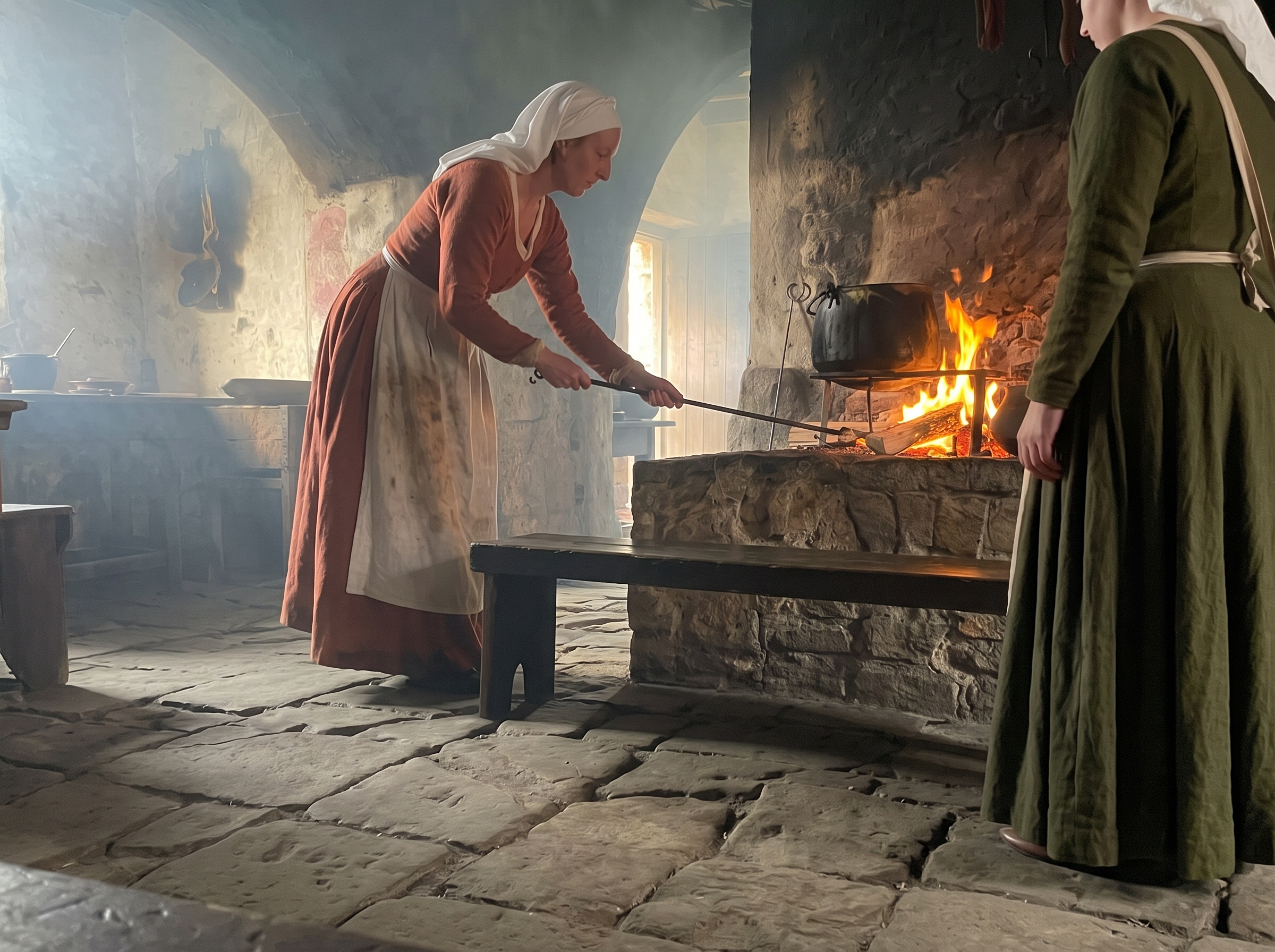
A fireplace has always needed more than fuel to keep it working. And over the course of history, a range of practical fireside tools and accessories have been developed to help. They allow us to manage the fire and hearth, from supporting burning fuel to clearing away ash and debris. Many of the accessories that we recognise and still use today with our fireplaces can be traced back to early forms of fireside equipment. Their appearances have sometimes changed based on the materials that have been available and the styles of the era, but their practical purposes often remain surprisingly familiar.
Fire Dogs
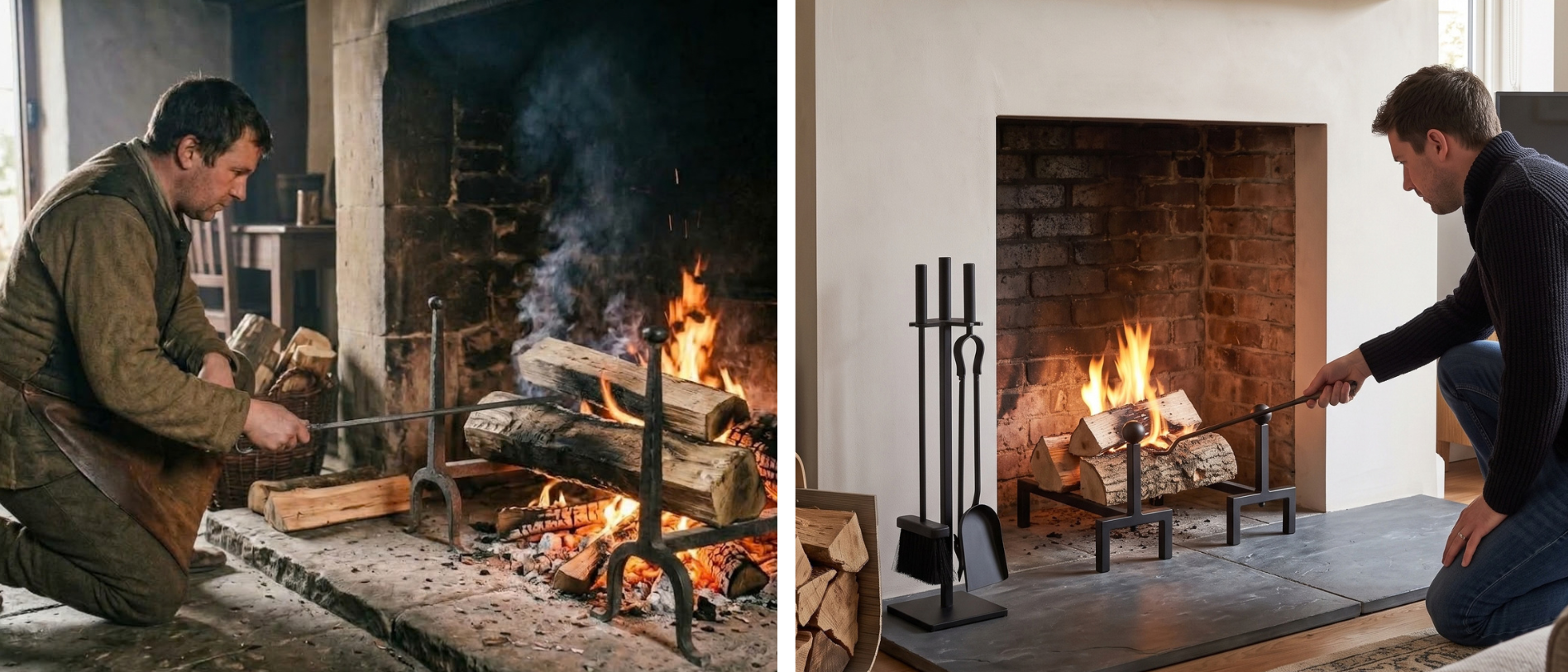
One of the earliest ways of supporting a fire and helping it to burn well was with a pair of fire dogs, also known as andirons. So, what are fire dogs used for? These were placed on either side of the hearth and used to raise logs up from the floor so that air could circulate underneath the fire and help the fuel to burn. Early firedogs were often made from materials like clay, this was readily available as it could be dug up from the ground and shaped. As ironworking developed and industrialisation gathered pace, iron became increasingly available for fireside products, and firedogs were produced in increasingly elaborate designs. In time, products like fire baskets and grates became more common and took over much of the practical role of firedogs. But they didn’t disappear completely, their decorative qualities meant they continued to be used around the hearth even after other forms of fire support became more common. Lots of people still use them in their open fireplaces today, they can give a more open view of the fire and give you more flexibility when it comes to log placement. If you’re using an open fire, a pair of andirons' purpose is to give you a simple way to raise logs from the hearth, while leaving the front and sides of the fire open.
Essential Fireside Tools
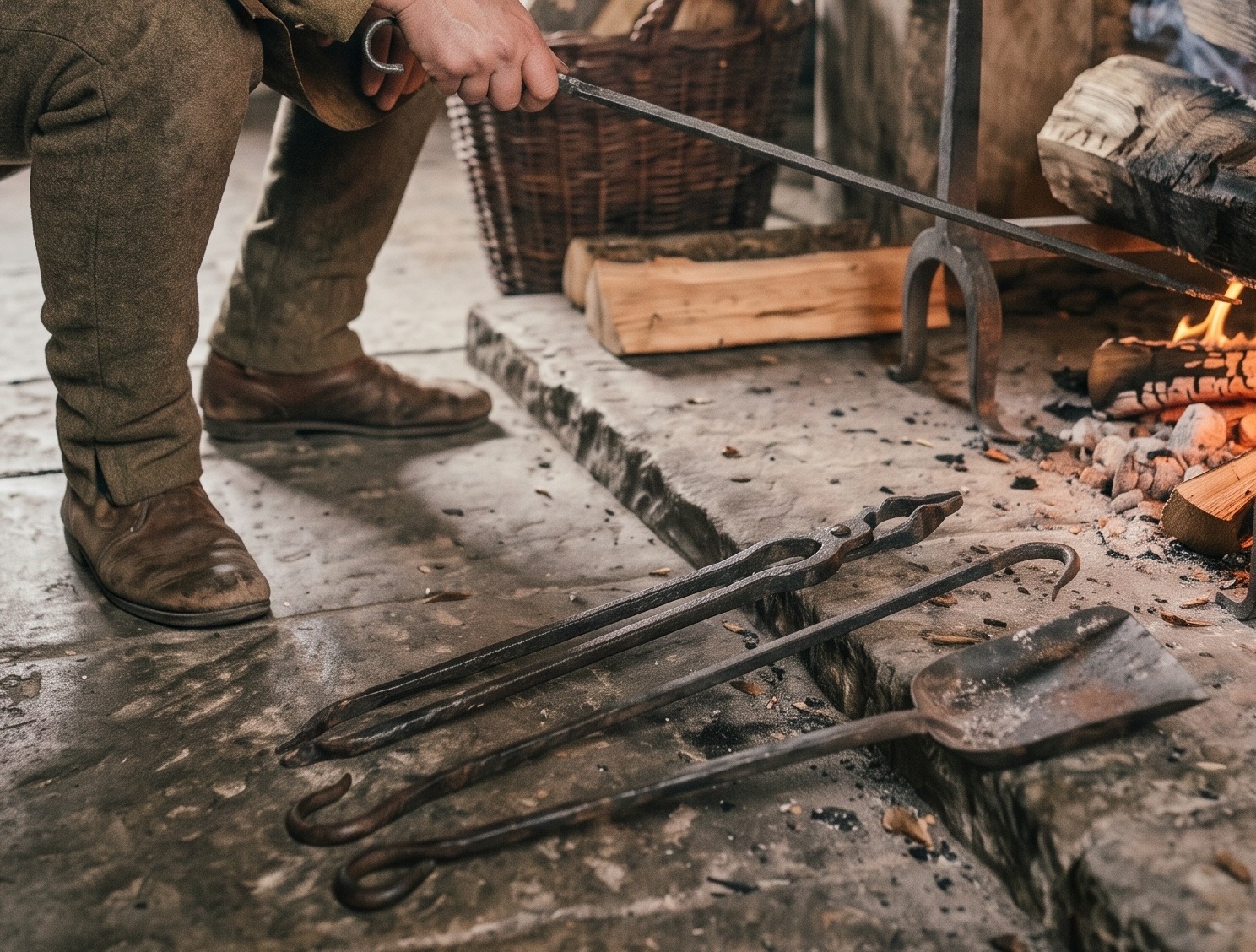
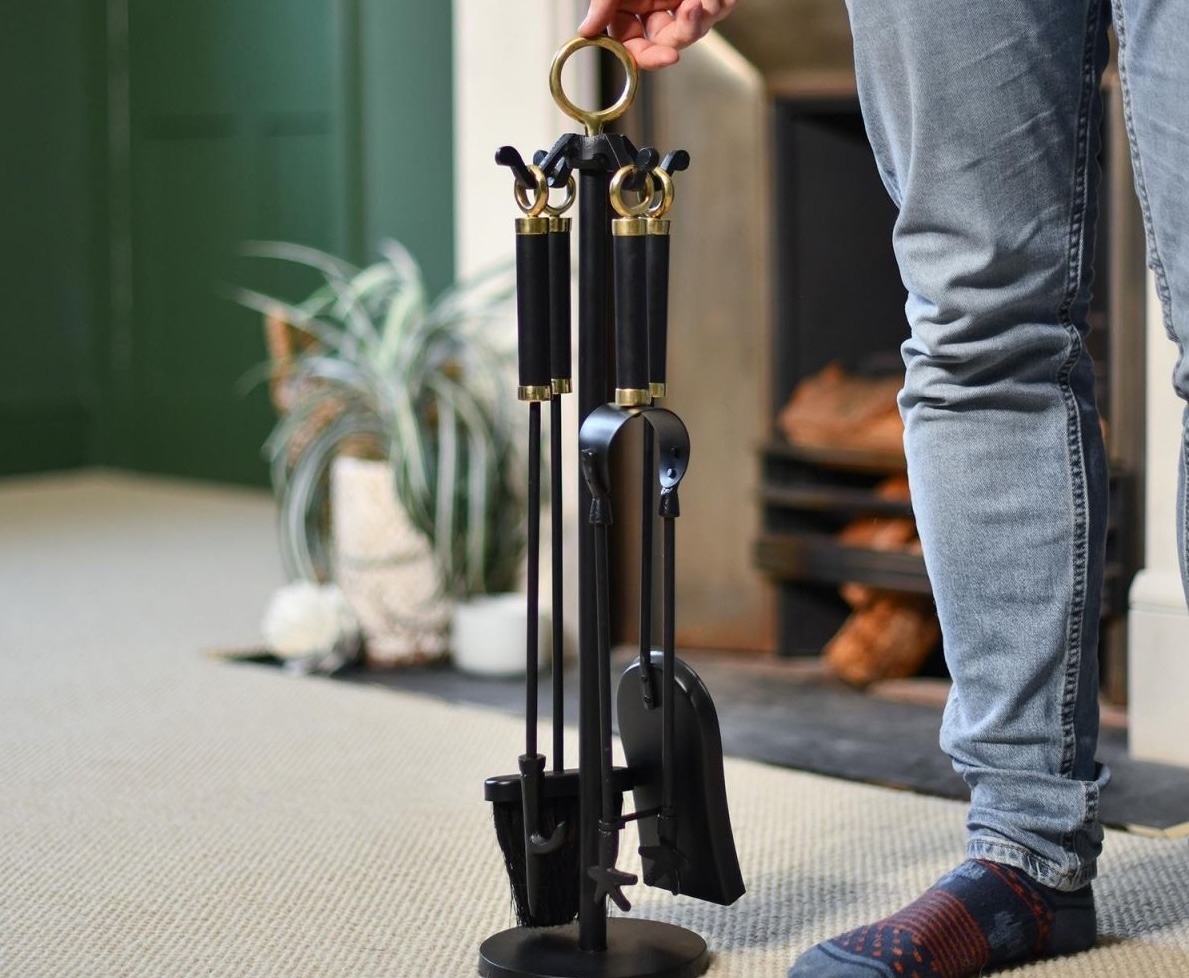
As we became more domesticated the open fireplace moved into houses with us, and became an established part of our homes. This meant that fireside tools were needed to manage the fire safely and effectively. A poker could be used to move burning fuel and encourage the fire, while tongs allowed logs or coal to be repositioned without putting your hands close to the flames. A shovel was useful for removing ash, and a brush helped clear the remaining debris from the hearth. The familiar companion set developed over time to bring together several essential fireside tools in one stand beside the fireplace. Companion sets are still popular today, people love the practicality of keeping everything in one place.
Starting and Reviving the Fire
Bellows and blow pipes were both used to help revive a fire by directing extra air towards the fuel, but they offered different ways of doing it. A blow pipe allowed allows you to direct a concentrated stream of air towards a specific part of the fire, although this meant blowing directly through the pipe. Bellows draw in air and force it out through a nozzle without the user having to blow onto the fire yourself. The controlled stream of air could be directed towards the base or centre of the fire, helping to introduce more oxygen and encourage the fuel to burn better.
Fire Guards and Fire Screens
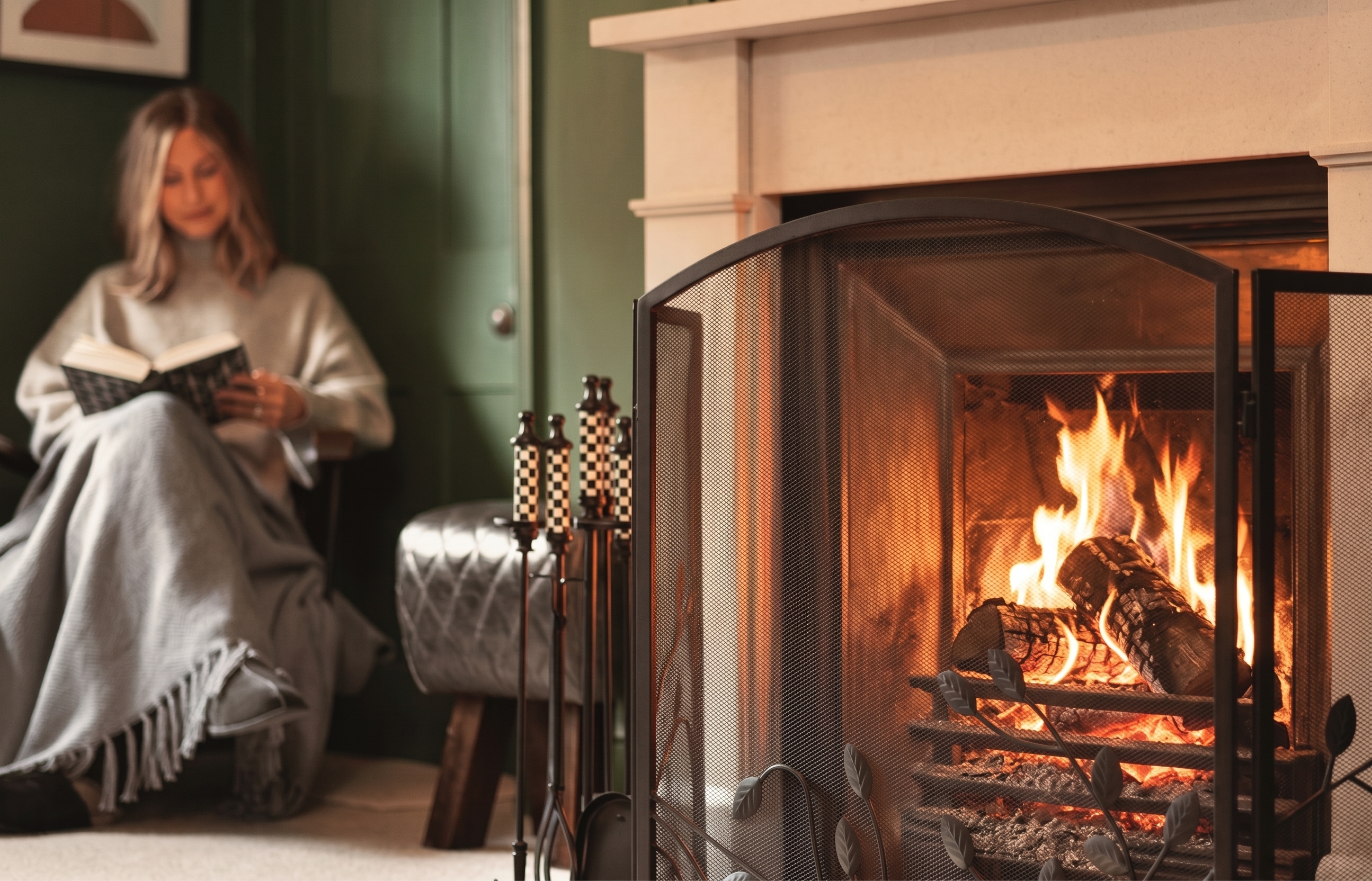
Early fire guards and screens were used to help shield people from direct heat, especially when they were sitting close to a large open hearth. Fire guards today tend to be safety focused, with mesh designs that can help contain sparks and burning embers and prevent logs from rolling out of an open fire. They have the added bonus of styling the hearth these days too, with so many designs available from traditional to completely unique and bespoke. Guards can also be used to create a barrier between the fire and children or pets. The designs may have changed but the function of creating a safer boundary around an open fire remains.
Coal and Log Storage
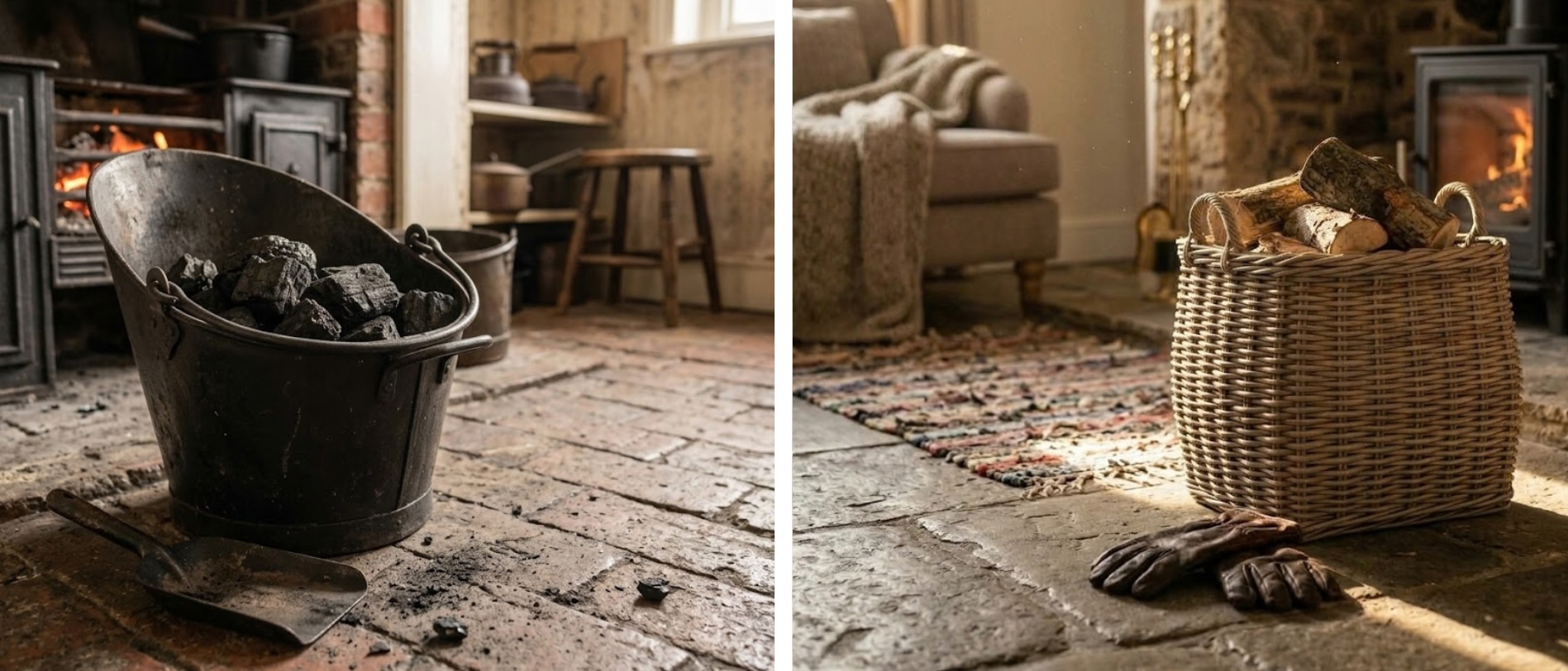
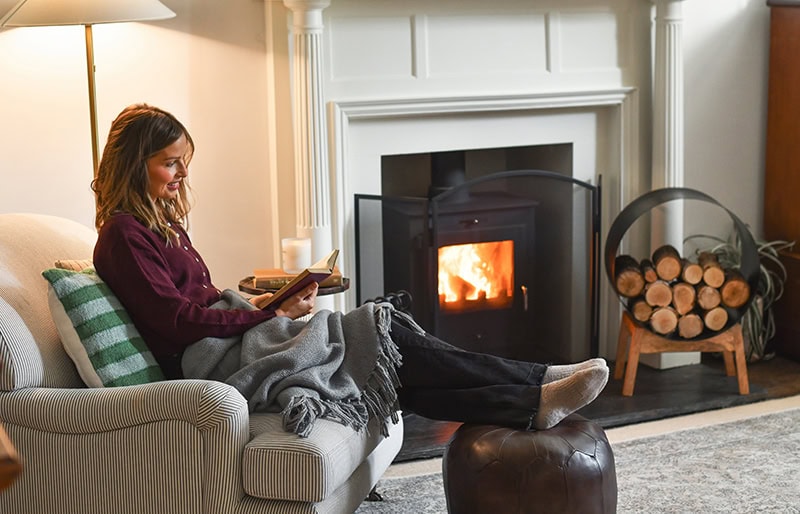
It wasn’t just the fire that needed to be managed; there was always the issue of storing fuel too. Coal buckets, scuttles and hods were traditionally used to keep coal close at hand, while baskets and other holders provided a convenient way to keep logs and kindling beside the fire. Storing fuel is still an essential part of using an open fireplace or burner today. Over time, these practical containers also became more decorative, with familiar forms such as scuttles and baskets becoming part of the overall look of the hearth.
Traditional accessories in the home today
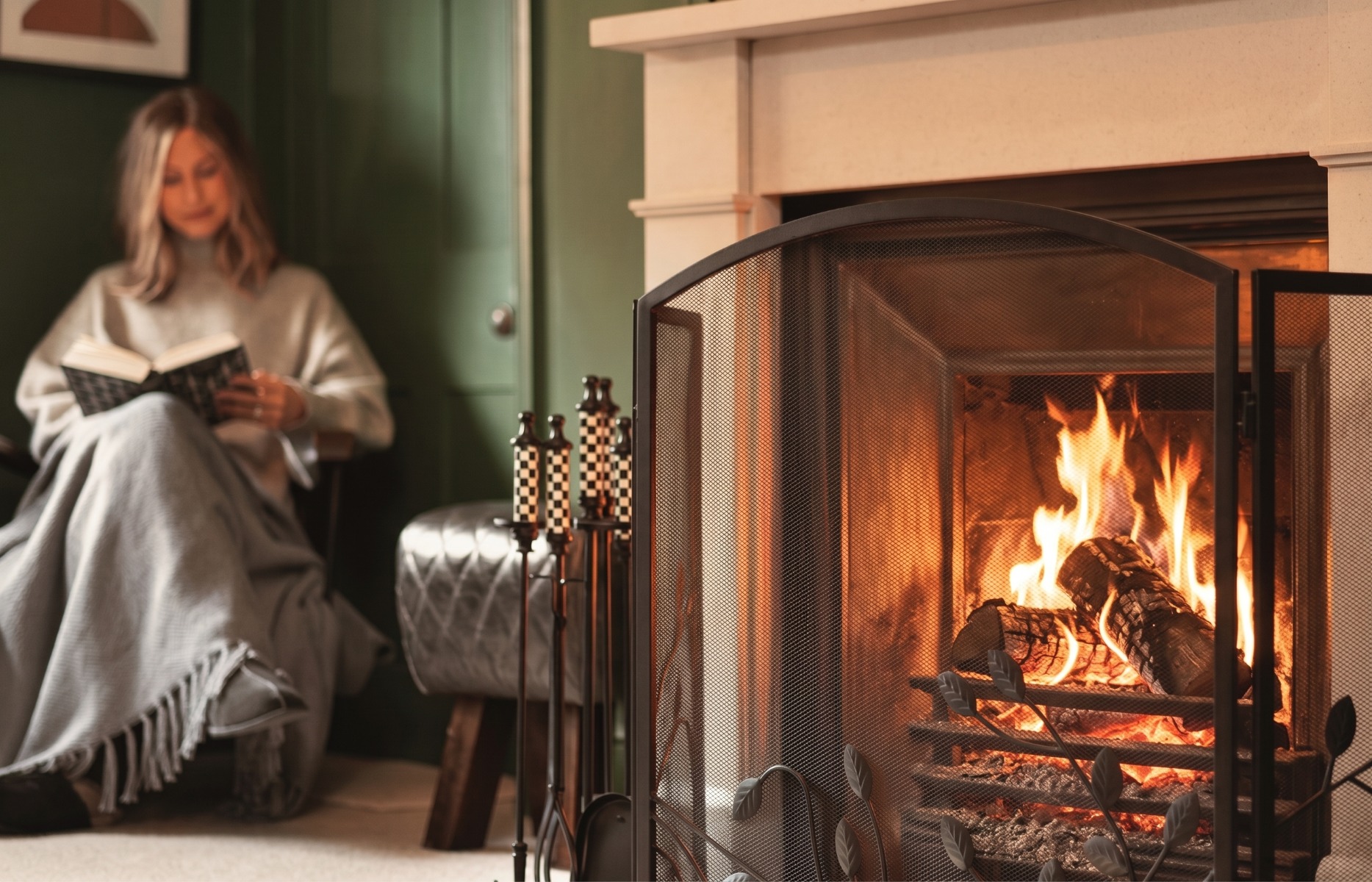
Many traditional fireside accessories have survived and stood the test of time, because the jobs they were designed for haven’t disappeared. With modern heating we might not be reliant on fire like we once were, but wood burning stoves and open fires are still an important part of many of our homes. At Black Country Metal Works we bring three generations of experience in metalworking to our range of fireplace tools and accessories, continuing the tradition of creating products to be used around the hearth.